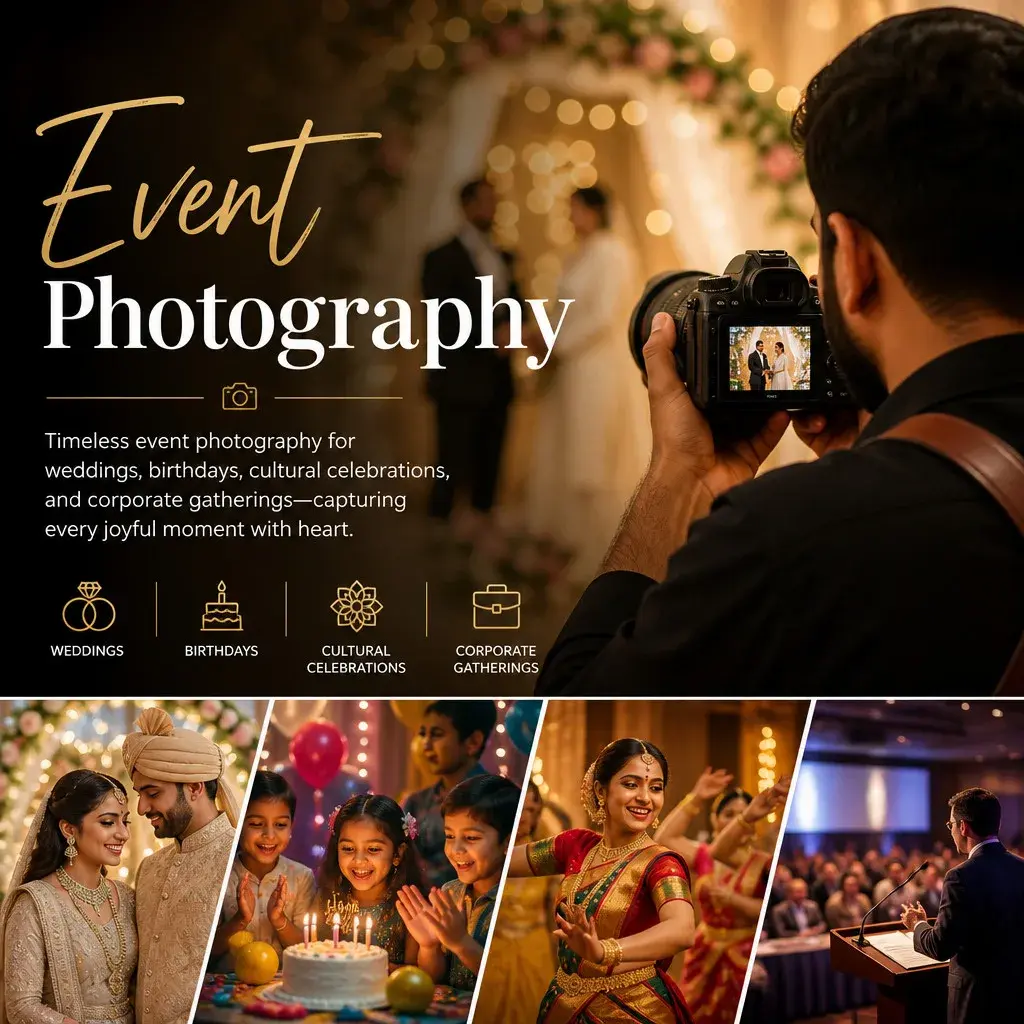
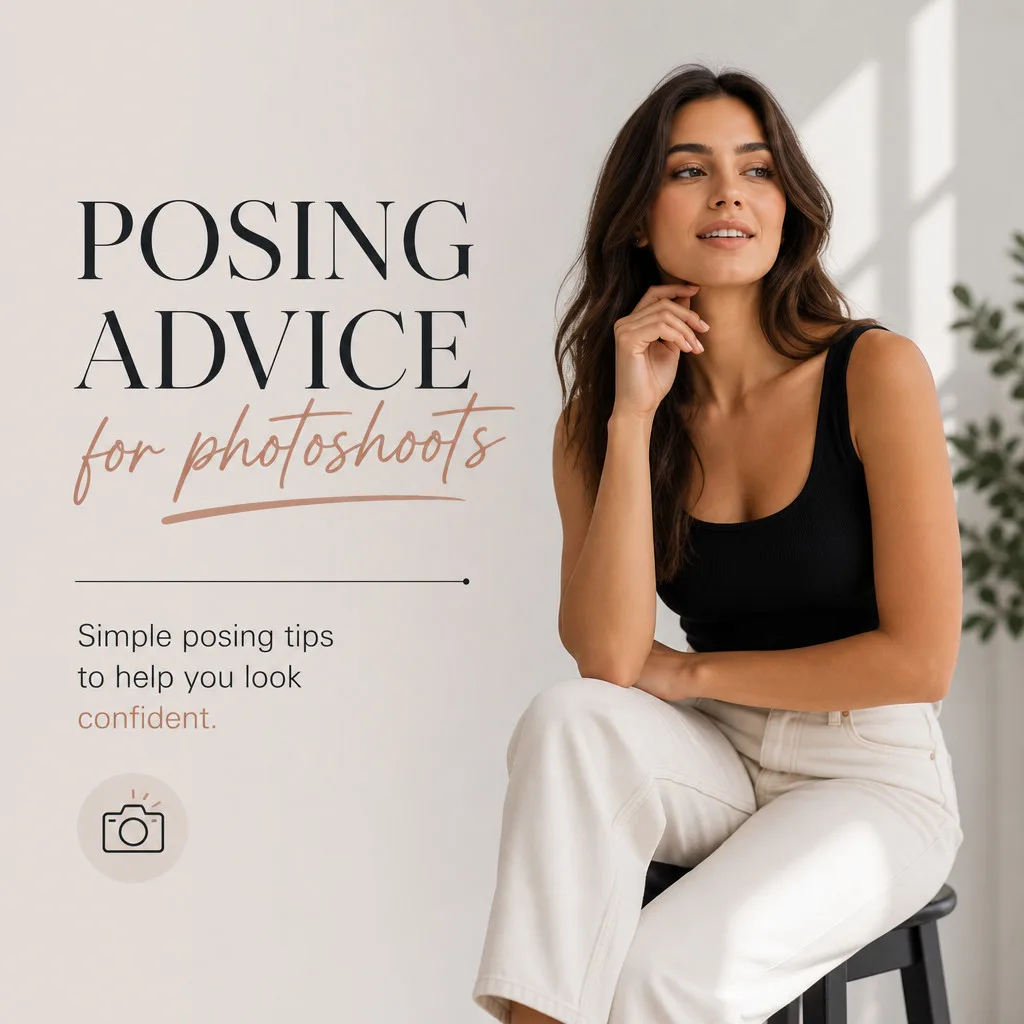
A great photograph is not about looking “perfect”—it is about looking like the most confident, comfortable version of yourself. With over 50 years behind the camera, photographer Susruta Chatterjee has seen how a few thoughtful adjustments can transform a portrait, whether you are wearing a silk saree, a sharp sherwani, casual jeans, or your favourite kurta. The best pose is one that complements your personality, outfit, and natural features.
Flattering Poses for Every Body and Outfit
Start by giving your body a little shape. Facing the camera completely front-on can sometimes make the body appear wider and flatter, especially in a still image. Instead, turn your torso around 30 to 45 degrees, place your weight on the back foot, and let the front knee soften. This creates a gentle S-curve and gives the photograph more dimension. For group portraits, avoid standing in a straight line—slightly staggered positions look warmer and more natural.
Your hands deserve some attention too. Many people do not know where to put them, so they either hide them or hold them stiffly at their sides. Try lightly touching your dupatta, watch, jacket lapel, handbag, or the edge of a saree pallu. If you are wearing traditional South Asian clothing, use its beautiful details: adjust a bangle, hold the pleats of a lehenga, or rest a hand near the embroidery. The goal is not to “perform” a pose, but to give your hands a relaxed purpose. Keeping a little space between your arms and torso also helps define your shape in the photograph.
Outfit choice can guide your posing. Flowing fabrics such as sarees, anarkalis, lehengas, and long dresses look wonderful with movement: a slow walk, a gentle turn, or a glance over the shoulder. Structured outfits, including suits, bandhgalas, blazers, and sherwanis, often suit confident upright poses with relaxed shoulders and a slight lean. Camera lenses can affect proportions too; wide-angle lenses used very close to the subject may exaggerate features, which is why experienced portrait photographers generally choose focal lengths carefully for flattering results. You can read more about how focal length affects perspective in this useful Adobe guide to camera lenses.
Simple Tips to Feel Relaxed on Camera
The most photogenic expression usually begins with a relaxed body. Before the session, take a few slow breaths and drop your shoulders on the exhale. This is not just a feel-good suggestion: stress can create muscle tension in the jaw, forehead, neck, and hands, all of which can show in close-up portraits. A simple breathing routine can help calm the nervous system; Harvard Health explains the benefits of controlled breathing. Think of the photoshoot as a conversation rather than an exam—there are no marks for standing perfectly still.
Do not worry about copying every pose you see online. Your photographer will guide you, but it helps to arrive with a few ideas: perhaps a favourite side of your face, an outfit detail you love, or a mood you want to capture. Some clients prefer elegant and formal portraits, while others want laughter, movement, and candid family moments. If you are photographing with children, parents, grandparents, or a partner, focus on each other rather than constantly looking at the lens. A shared joke, a gentle adjustment of someone’s scarf, or simply walking together often creates the images people treasure most.
Finally, give yourself permission to take a moment. Drink water, check that your outfit feels comfortable, and let Susruta know if you are feeling self-conscious about anything. Good photography is collaborative, and after more than five decades of experience, Susruta understands that every client brings a different comfort level, cultural style, and story to the session. For an extra confidence boost, try practising a few relaxed expressions in a mirror beforehand—not to memorise a face, but to notice how a natural smile feels. The American Psychological Association’s guidance on body image also offers helpful perspective on treating ourselves with more kindness in appearance-focused situations.
The right pose is rarely about twisting yourself into an uncomfortable position. It is about small, flattering adjustments, a calm mindset, and an experienced photographer who knows when to guide and when to let the moment unfold. Whether this is your first professional photoshoot or your fiftieth, come as you are, wear what makes you feel wonderful, and let your personality do the rest.