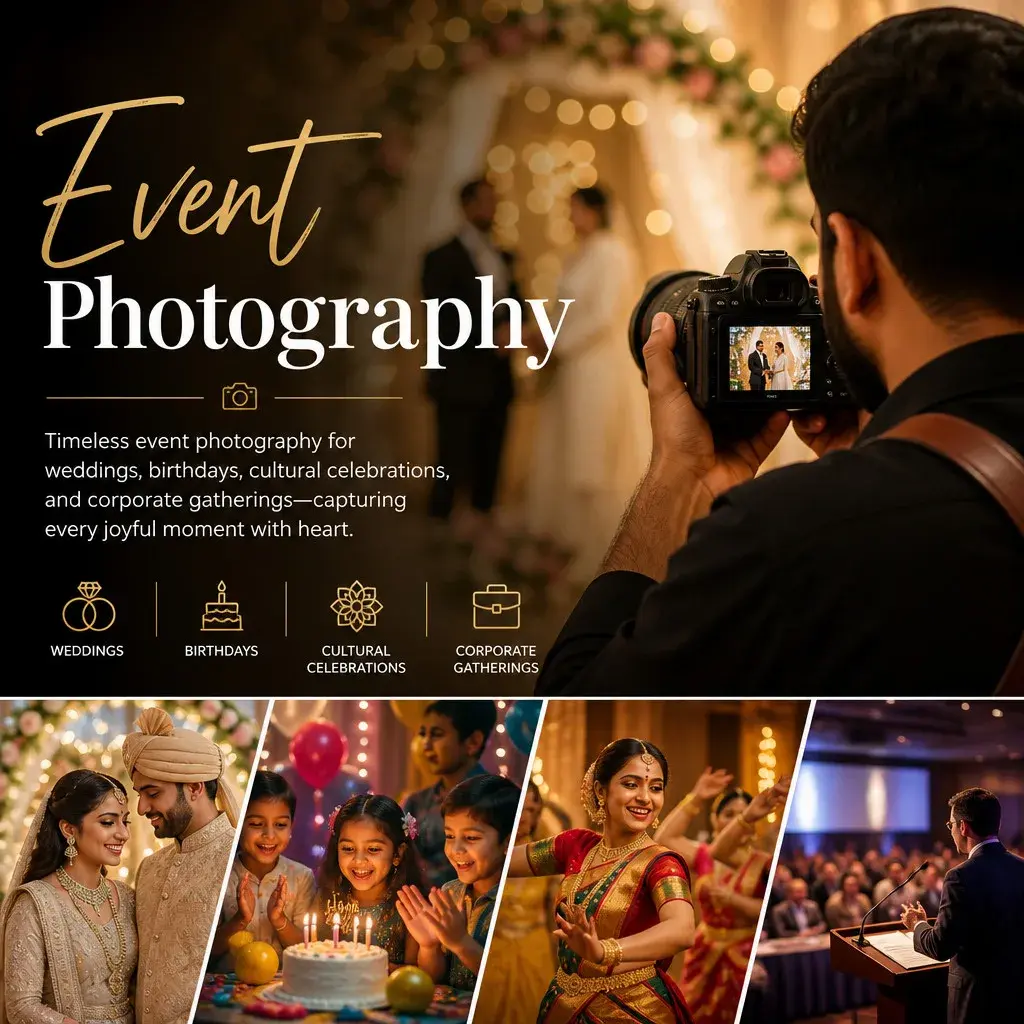

Photography is less about owning the most expensive camera and more about noticing the light, colour, and feeling already around you. After more than 50 years behind the lens, photographer Susruta Chatterjee still finds that the best images often begin with a simple pause: look carefully, move closer, and wait for the moment to feel right. Whether you are photographing a family puja, a wedding sari’s intricate details, a steaming cup of chai, or your child laughing in the afternoon sun, a little preparation can help you make the most of the moment. [Learn how to prepare for a photo shoot](https://www.susrutac.com/how-to-prepare-for-a-photoshoot/) before you begin, then use these basics to create more meaningful photographs.
Start With Light: A Simple Photography Guide
Light is the real paintbrush in photography. Soft, indirect light is generally flattering for portraits because it reduces harsh shadows and brings out natural skin tones beautifully. For outdoor photos, try shooting in the early morning or late afternoon—the “golden hour”—when sunlight is warmer and gentler. Midday sun can be dramatic, but it is often unkind to faces, especially in bright South Asian summers. If you must shoot at noon, look for open shade under a veranda, tree, or building edge.
At home, place your subject near a large window and turn off mixed indoor lights if possible. Window light can create a lovely, natural portrait without any fancy equipment. Ask your subject to face the window at a slight angle rather than directly into it; this adds gentle dimension to the face. For a quick scientific explanation, light intensity falls quickly as you move away from its source—so bringing someone a little closer to a window can make a surprising difference. Adobe’s guide to understanding light is a useful resource for beginners who want to explore this further.
Pay attention to the direction of light, not just its brightness. Front light is easy and clear, side light adds texture to fabrics and food, while backlight can create a glowing, festive feeling around hair, dupattas, or flower garlands. When photographing rangoli, jewellery, or a beautifully arranged meal, move around it before taking the picture. A tiny change in angle can turn a flat snapshot into an image with sparkle. And remember: if the light looks delicious, photograph it—no one has ever regretted a good chai-and-sunshine photograph.
Easy Camera Tips for Better Everyday Photos
You do not need a professional camera to take stronger photographs; a phone can do excellent work when used thoughtfully. First, clean the lens. It sounds almost too simple, but fingerprints and pocket dust can make photos look hazy and low-contrast. Next, tap your subject on the phone screen to set focus and exposure. On many phones, you can then slide the exposure control slightly down to preserve bright areas such as a white kurta, a sunlit forehead, or wedding decorations.
Use a simple composition rule: avoid placing everything directly in the centre. Try putting your subject slightly to one side, leaving space in the direction they are looking or moving. This creates a more natural sense of movement and story. Also, check the background before pressing the shutter. A beautiful portrait can be ruined by a distracting electric pole appearing to grow from someone’s head—photography has a playful way of testing our observation skills. The National Geographic photography tips collection offers more ideas for framing images with purpose.
For moving subjects—children, dancing, pets, or lively wedding guests—use burst mode or a faster shutter speed if your camera allows it. A shutter speed of around 1/250 second can often freeze everyday movement, while 1/500 second or faster is helpful for energetic action. Keep your elbows close to your body for stability, and take several frames instead of relying on one perfect click. If you are considering a camera beyond your phone, the Camera & Imaging Products Association provides useful information about modern camera systems and their capabilities. Most importantly, practise often: the more you photograph ordinary moments, the more confidently you will recognise extraordinary ones.
Great photography is built from small habits—looking for good light, simplifying the frame, and being ready for genuine emotion. These techniques work whether you are using a smartphone or a professional camera, and they are especially valuable when preserving the colour, warmth, and close-knit celebrations of South Asian life. If you would like help turning an important occasion into lasting images, Susruta Chatterjee’s five decades of experience bring both technical care and a patient eye to every story. For businesses seeking similarly thoughtful images that express their identity, explore Dallas branding photography., you may also like Dallas portrait photography for natural, confident photos. Susruta Chatterjee’s five decades of experience bring both technical care and a patient eye to every story.